The Physical Benefits of Fitness
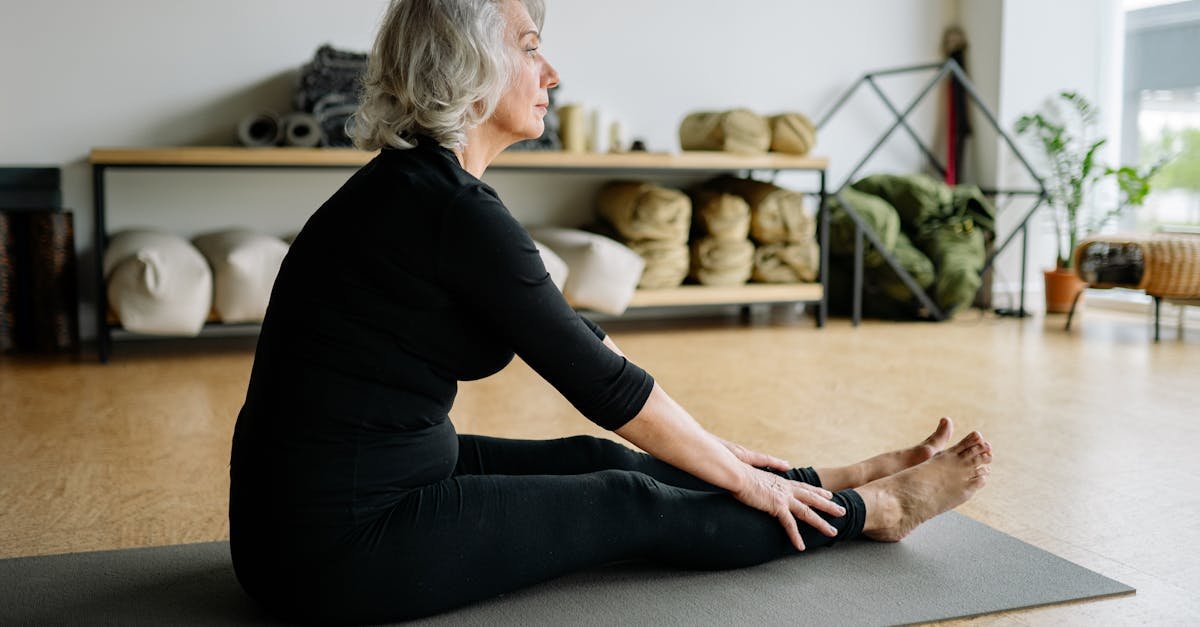
Maintaining a regular fitness routine offers a multitude of physical benefits that contribute significantly to overall health and well-being. One of the most notable advantages is the strengthening of the heart. Engaging in consistent cardiovascular exercise enhances the heart’s efficiency, improving the body’s ability to circulate blood and oxygen. This not only reduces the risk of heart disease but also promotes greater stamina and energy levels for daily activities.
In addition to cardiovascular health, regular physical activity plays a vital role in improving muscle tone and strength. When individuals participate in resistance training or weight-bearing exercises, they stimulate muscle growth, which helps maintain a healthy metabolism. This increased muscle mass supports more effective calorie burning, making weight management and fat loss more achievable.
Furthermore, flexibility is another critical aspect of fitness that benefits from regular exercise. Engaging in activities such as stretching, yoga, or Pilates enhances the range of motion in joints, thus reducing the risk of injury and maintaining overall mobility as one ages. Improved flexibility also contributes to better posture, which can alleviate undue stress on the body and prevent discomfort in the long term.
Another significant benefit of staying active is the reduced risk of chronic diseases. Regular physical activity has been linked to a lower incidence of conditions such as diabetes, hypertension, and certain types of cancer. This preventative effect is partly due to the positive influence of exercise on insulin sensitivity and blood pressure regulation. Moreover, exercise has been shown to bolster the immune system, helping the body fend off illnesses more effectively.
Establishing a fitness habit is essential for long-term health benefits, making regular exercise not just a choice, but a lifestyle. By committing to a consistent fitness routine, individuals can significantly enhance their physical health, paving the way for a more vibrant and active life.
The Mental Health Advantages of Being Active
Regular physical activity is widely recognized for its extensive benefits on physical health, but its impact on mental well-being is equally significant. Numerous studies have demonstrated that engaging in routine exercise can lead to notable reductions in symptoms of anxiety and depression. This association is largely attributed to the biochemical changes that occur in the body during physical activity, particularly the release of endorphins. Often termed the “runner’s high,” this phenomenon refers to the euphoric sensation experienced post-exercise, driven by an increase in these natural painkillers and mood elevators.
As individuals participate in various forms of exercise, such as jogging, cycling, or participating in group fitness classes, they not only nurture their physical strength but also foster emotional resilience. The rhythmic nature of exercise, combined with its capacity to promote mindfulness, can serve as an effective method for stress management. During physical activity, the mind can achieve a state of clarity, allowing for a temporary escape from daily stressors. This therapeutic aspect of fitness encourages a positive mental shift, further contributing to improved overall emotional well-being.
Moreover, the social element of many fitness activities facilitates connection, which can combat feelings of isolation and loneliness. Group exercises or sports provide opportunities for individuals to build supportive relationships, positively influencing their mental health. A sense of community is often forged, creating an invaluable network of encouragement that contributes to sustained motivation in both physical activity and emotional support.
In conclusion, the advantages of maintaining an active lifestyle extend deeply into the mental health realm. By integrating regular exercise into daily routines, individuals can experience enhanced mood, reduced anxiety, and a richer emotional life, ultimately leading to a more fulfilling existence.
Fitness as a Social Connector
Fitness activities often serve as a vital platform for social interaction and community building, transforming the often solitary pursuit of physical health into a shared journey. Participating in group classes, joining sports teams, or enrolling in community fitness challenges cultivates an environment where individuals can form lasting friendships while pursuing their health goals. These settings provide an opportunity for participants to meet like-minded individuals, fostering camaraderie and a sense of belonging that can significantly enhance one’s motivation and commitment to fitness.
Group classes, such as yoga, spin, or dance, offer not only physical benefits but also serve as social hubs where people connect over shared interest and goals. The communal atmosphere encourages individuals to support one another, share experiences, and celebrate successes, which can be a powerful motivator for those who may otherwise feel isolated in their fitness journeys. The trust built within these groups contributes to a healthier mindset, making attendees more likely to return and commit to their routines.
Moreover, the significance of support systems in fitness cannot be understated. Engaging in physical activities within a team or club fosters mutual encouragement among members, reducing feelings of isolation and enhancing individual accountability. Individuals are often more motivated to maintain their fitness schedules when they know others are relying on them. This social aspect is particularly crucial for those who may find it difficult to stay active on their own, as the shared responsibility creates an environment where everyone is invested in each other’s progress.
Ultimately, fitness offers a unique avenue for individuals to connect, build friendships, and foster a sense of community. The shared experiences found in physical activities not only strengthen relationships but also contribute to a more enjoyable and fulfilling fitness journey.
Setting Fitness Goals: Finding Your ‘Why’
Establishing personal fitness goals is a crucial step in understanding the specific reasons behind one’s commitment to a fitness journey. Each person possesses a unique ‘why’ that drives their desire to stay active, whether it stems from a need for improved health, increased energy levels, or simply the joy of moving. By identifying these motivations, individuals can create fitness goals that resonate deeply with their intrinsic desires, ultimately fostering a stronger commitment to their fitness lifestyle.
When setting fitness goals, it is essential to ensure they are realistic and achievable. Utilizing the SMART criteria—Specific, Measurable, Achievable, Relevant, and Time-bound—can assist individuals in crafting effective goals that align with their personal motivations. For instance, rather than setting a vague goal like “I want to get fit,” one might define a specific target, such as “I aim to run 5 kilometers within 30 minutes by the end of the next three months.” This clarity not only enhances focus but also enables easier tracking of progress.
In discussing motivations, it is important to recognize the distinction between intrinsic and extrinsic motivation. Intrinsic motivation refers to engaging in activities for the inherent satisfaction or pleasure they provide, such as the joy of movement or improvements in health. Conversely, extrinsic motivation is driven by external rewards or pressures, such as fitting into a specific outfit or impressing others. While both types of motivation can play a role in one’s fitness journey, intrinsic motivation tends to lead to more sustained commitment and long-term success.
Individuals are encouraged to reflect on their personal reasons for exercising and how these align with their fitness goals. By ensuring coherence between one’s ‘why’ and the objectives set, individuals can cultivate a more fulfilling and resilient fitness lifestyle, ultimately leading to lasting benefits in both physical health and overall well-being.

- Package Includes: You will receive five exercise resistance bands, each with a total length of 60x5x0.5cm/23.6×1.96×0.19…
- Premium Materials: This pilates resistance bands are made of high-quality natural rubber with excellent elasticity, whic…
- Lightweight and Portable: These mini loop resistance bands are lightweight. If you want to exercise anywhere, such as at…